Latex-Free Elastic for Medical & Sensitive-Skin Apparel: A Buyer's Guide
By Jai Roop Textile ·
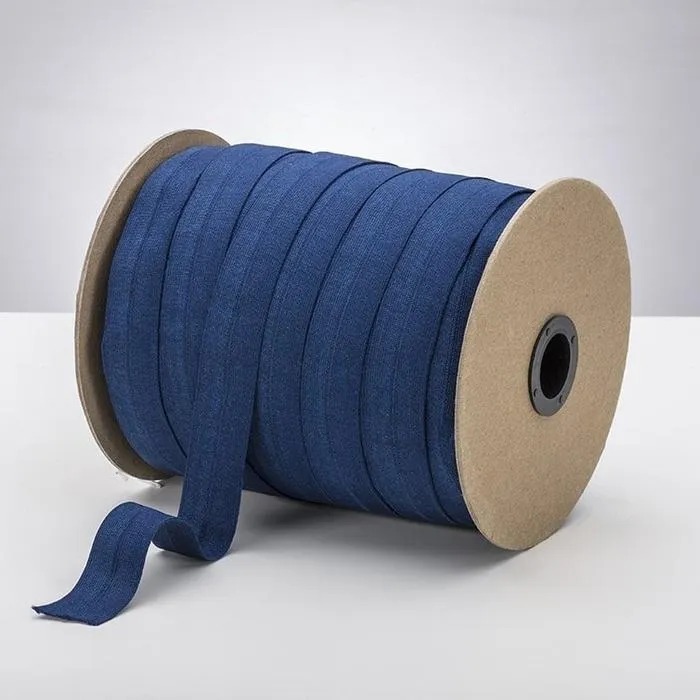
Natural rubber latex is an excellent elastic core — but for a meaningful share of people it triggers skin irritation or allergy, and in hospitals it is a known risk. That is why medical suppliers, innerwear brands and kids' wear makers increasingly specify latex-free elastic. This guide explains what it is, where it is required, and what to check before you buy.
What makes an elastic "latex-free"?
Conventional elastic tape stretches because of natural rubber threads inside it. Latex-free elastic replaces those threads with a synthetic elastomer such as spandex (elastane), so the finished tape contains no natural rubber latex. It still stretches and recovers — the difference is in what it is made of, not how it behaves.
Who needs it
- Medical and hospital products — masks, caps, gowns, disposable garments, supports and braces, where latex contact must be avoided.
- Innerwear and lingerie — elastic sits directly on skin for long hours; latex-free reduces irritation complaints and returns.
- Baby and kids' wear — delicate skin, frequent wear, frequent washing.
- Export orders — many international buyers ask for latex-free as standard for skin-contact products.
Latex-free vs rubber elastic: what changes
| Point | Rubber (latex) elastic | Latex-free elastic |
|---|---|---|
| Allergy risk | Present for latex-sensitive users | Eliminated |
| Feel | Firm, classic | Soft, smooth on skin |
| Wash and heat behaviour | Can harden or crack over time | Generally holds well through repeated washing |
| Cost | Lower | Somewhat higher |
| Availability at Jai Roop | Yes | Yes — hypoallergenic, OEKO-TEX compliant range |
What to check when buying
- Ask for the composition — the supplier should state the elastomer used and confirm "no natural rubber latex".
- Ask about textile safety compliance — our latex-free range is OEKO-TEX compliant; ask any supplier for the same.
- Test a sample on your product — wash it the way your customer will, then check softness, recovery and width.
- Confirm width and stretch in writing — the same rules apply as for any elastic; see our width guide.
Typical widths and constructions
Latex-free elastic is produced in both knitted and woven constructions. Narrow widths (5–10 mm) are common for masks and lingerie; 20–40 mm for waistbands and medical garments; wider widths for supports and belts. Custom widths and colours are available on request.
Sourcing from India
Jai Roop Textile manufactures latex-free elastic in Gurugram, Haryana, and supplies garment exporters, medical product makers and brands across India and abroad. Because the same factory makes woven, knitted and jacquard elastics, you can standardise your whole elastic BOM on latex-free where needed and keep one supplier.
Frequently asked questions
Is latex-free elastic as stretchy as normal elastic?
Yes. Latex-free elastic uses a synthetic elastomer core such as spandex instead of natural rubber, so it stretches and recovers the way you expect; many users find it softer on the skin.
Do I need latex-free elastic for masks and medical products?
For products used in hospitals or on sensitive skin, latex-free is widely specified to avoid latex allergy risk. Check your buyer's or regulator's requirement and specify it in the order.
Is Jai Roop's latex-free elastic OEKO-TEX compliant?
Yes, the latex-free elastic range is hypoallergenic and OEKO-TEX compliant; details are on the Latex Free Elastic product page and available on request.
Can I get latex-free elastic in custom widths and colours?
Yes. Latex-free elastic is made in knitted and woven constructions with custom widths and colours; share your requirement for a quote and samples.
Need Latex Free Elastic in bulk?
Custom widths, colours and designs for garment exporters, brands and wholesalers. Share your requirement and we will get back with a quote.